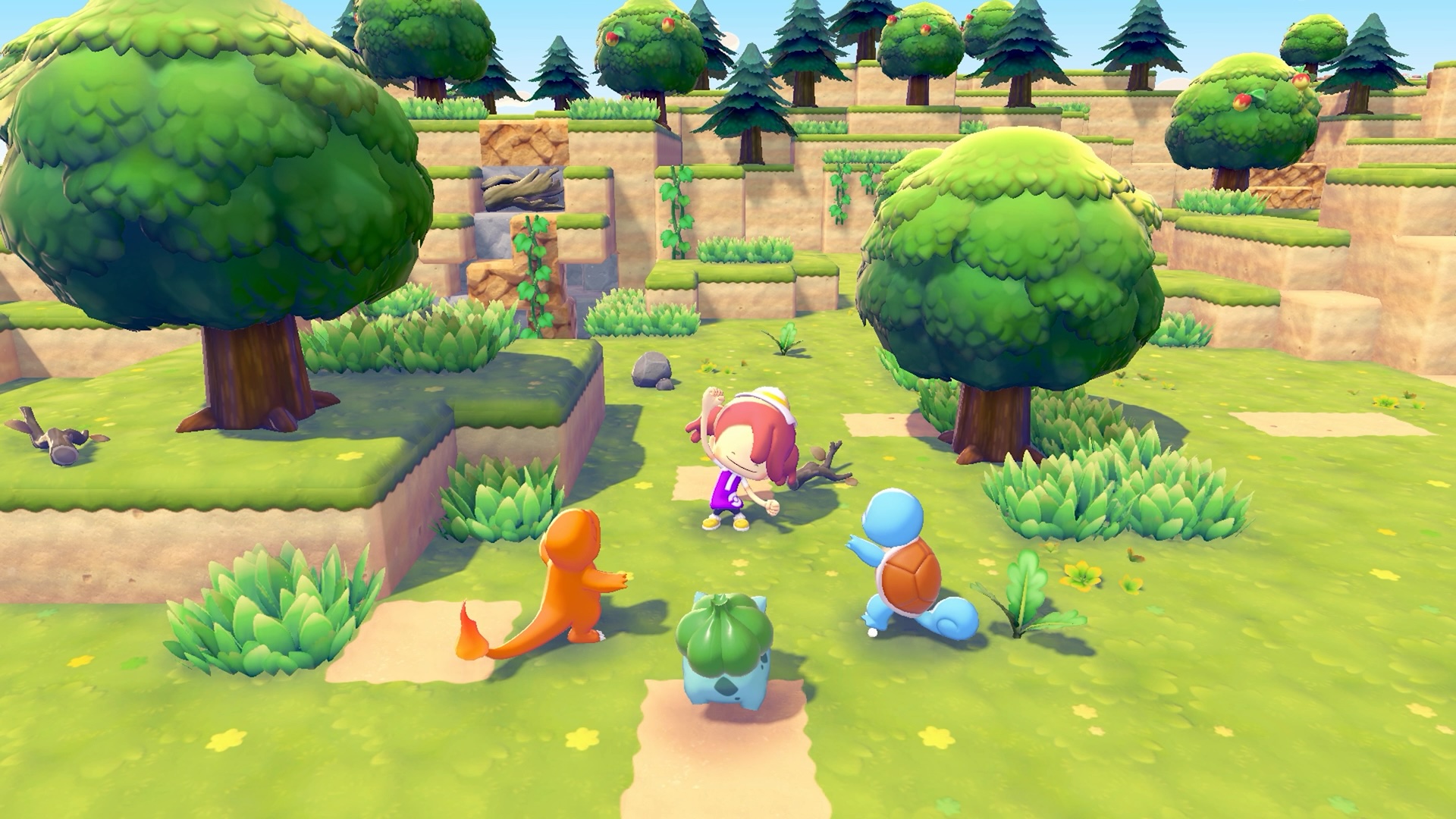
When Nintendo first revealed Pokémon Pokopia back in September 2025, the internet immediately shouted one thing: That's just Animal Crossing with Pokémon! And honestly, they weren't wrong. The cozy vibes, the island setting, the chill music—it all feels very familiar. But spend 30 minutes with Pokopia and you'll realize something interesting. This isn't just a Pokémon skin slapped onto Animal Crossing. It's doing something fundamentally different.
What They Share: The Cozy Foundation
Let's get the obvious stuff out of the way first. Both games are built on the same cozy foundation. You've got real-time clocks syncing with your actual day. You're decorating and customizing your personal paradise. There's a focus on gathering resources, crafting items, and building relationships with cute creatures who become your neighbors. The pacing is deliberately slow—neither game is about rushing to an end goal. They're both about showing up, doing a little bit each day, and watching your world gradually transform. That chill, low-stakes experience is exactly why people fell in love with Animal Crossing: New Horizons back in 2020, and it's clearly what Pokopia is aiming for too.
The Big Difference: Building vs. Decorating
Here's where things diverge pretty dramatically. In Animal Crossing, you're mostly decorating existing spaces. You place furniture, arrange items, and make things look nice. But in Pokopia? You're literally building from scratch. The game uses a block-based construction system that's closer to Minecraft than anything else. You're not just putting a table in a room—you're constructing the room itself, wall by wall. The building mechanics feel substantial in a way Animal Crossing never did. You're gathering wood and stone, crafting structures at workbenches, and actually reshaping the land. Want to build a treehouse for your Bulbasaur? You'll need to construct the platform, the walls, the roof—everything. It's more involved, but also more satisfying when you step back and look at what you've created.
Pokémon Collection Meets Habitat Engineering
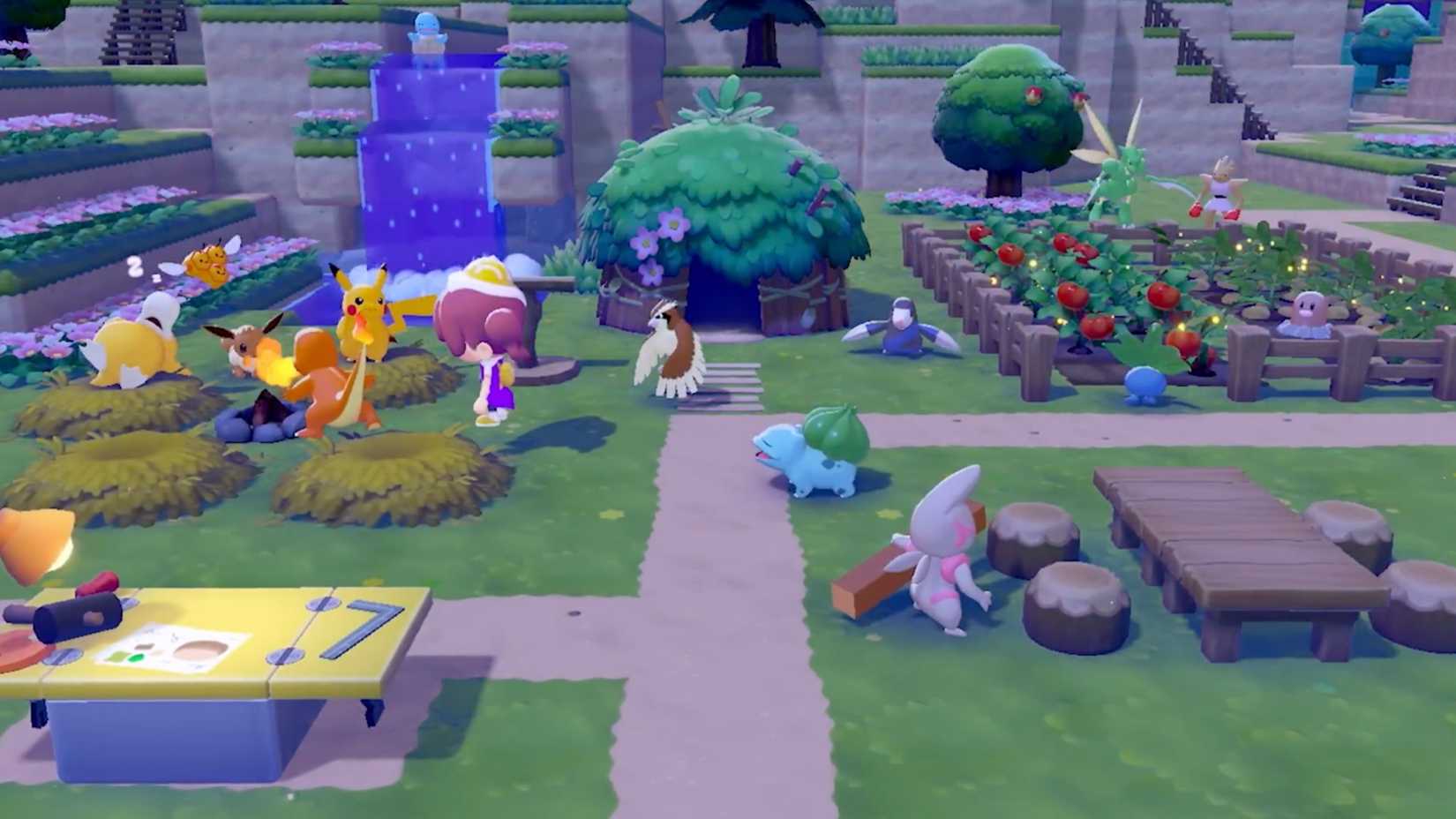
Animal Crossing has you collecting villagers through various methods, but Pokopia turns creature collection into something more like an environmental puzzle. Different Pokémon need different habitats to show up. Want that Squirtle? You'll need water features. Looking for Charmander? Better build some rocky terrain with heat sources. The game teaches you that Bulbasaur appears when you've restored enough grassland, which you do by using water-type moves to rejuvenate dried patches. It's this chain reaction of environmental engineering—one Pokémon teaches you a move, that move unlocks new building possibilities, those possibilities attract new Pokémon, and the cycle continues. You're not just collecting creatures like in a mainline Pokémon game. You're actively engineering an ecosystem that supports them. It's clever, and it gives your building purpose beyond just aesthetics.
Multiplayer: Cloud Island Changes Everything
This might be Pokopia's biggest advantage over Animal Crossing. Remember how Animal Crossing multiplayer worked? One person hosts, friends visit, but the host has to be online and visitors can't really do much. It's fine for showing off your island, but kind of limited for actual collaboration. Pokopia introduces something called Cloud Island mode, and it's a game-changer. Your Cloud Island exists online and is accessible to friends even when you're offline. Up to four players can build together, share resources, work on communal projects, and transform landscapes as a team. You're not just visiting—you're co-creating. The difference between Animal Crossing's look at my cool island approach and Pokopia's let's build this together mentality is massive. If you've ever wanted to collaboratively construct a Pokémon paradise with friends, Pokopia is offering something Animal Crossing never did.
Progression: Discovery vs. Routine
Animal Crossing thrives on routine. You check your shops, talk to your villagers, hunt for fossils, and maintain your island. It's comforting and predictable, which is exactly what many players want. Pokomia has routines too, but there's more emphasis on discovery and progression. Each new Pokémon you befriend teaches you abilities that open up new possibilities. That Squirtle's Water Gun doesn't just look cool—it restores dried grassland, which enables new building projects, which attracts different Pokémon. You're constantly unlocking new tools and discovering new environmental combinations. It's more driven by that what happens if I try this? curiosity than the daily checklist approach of Animal Crossing. Neither approach is better, but they appeal to different player mindsets.
The Pokémon Factor: Does It Matter?
Here's the thing—if you don't care about Pokémon, Animal Crossing's charming villagers might resonate more. There's something special about those distinct personalities, the quirky dialogue, the way you form genuine connections with individual animals. Pokémon in Pokopia are more like friends with benefits. They teach you moves, help with building, and populate your world—but they're not having deep conversations with you about their dreams or asking you to bring them specific fruit. The Pokémon franchise brings incredible visual design and that undeniable gotta-catch-'em-all compulsion, but if you're looking for the emotional connection that Animal Crossing cultivates, Pokomia might feel a bit more mechanical in that regard.
Price and Platform Considerations
Let's talk practical stuff. Animal Crossing: New Horizons has been out since 2020, so you can often find it on sale or bundled with Switch consoles. It's proven, polished, and has years of updates behind it. Pokomia launches March 5, 2026 exclusively on Nintendo Switch 2 for $70. You're paying next-gen prices for a next-gen game, and you'll need the Switch 2 hardware to play it. That's a significant investment compared to picking up Animal Crossing on an original Switch. Of course, Pokomia's Cloud Island multiplayer and more complex building systems are leveraging that Switch 2 power in ways the older game simply can't. Whether that's worth the upgrade depends on how much the co-op building aspect appeals to you.
So which one should you choose? If you want pure relaxation, charming villagers, and don't mind more limited building tools, Animal Crossing remains a cozy masterpiece. But if you're craving deeper construction mechanics, environmental puzzles, and the ability to collaboratively build with friends, Pokomia is offering something genuinely new. The best answer? Maybe you don't have to choose. There's room in your life for both—Animal Crossing for those days when you want simple comfort, and Pokomia when you're ready to roll up your sleeves and build something epic with friends.