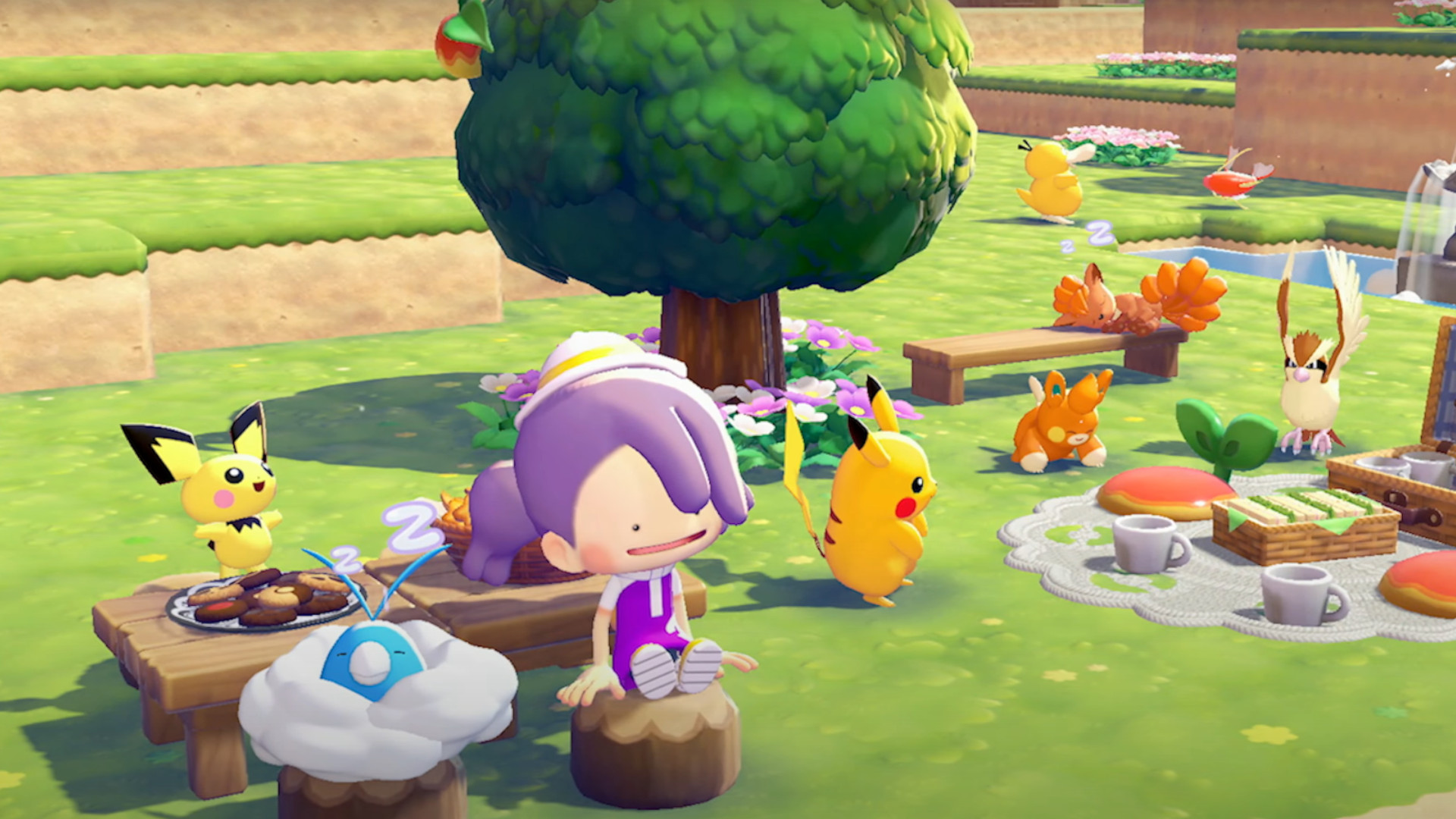
Imagine waking up as a Ditto who somehow thinks it's human, stranded on a deserted island with a bunch of confused Pokemon. That's the wild setup of Pokémon Pokopia, and it leads to one of the most creative gameplay experiences the franchise has ever seen. This isn't about battling gym leaders or catching 'em all – it's about building a home, making friends, and transforming a empty island into a thriving Pokemon paradise.
You're Playing as a Ditto (No, Seriously)
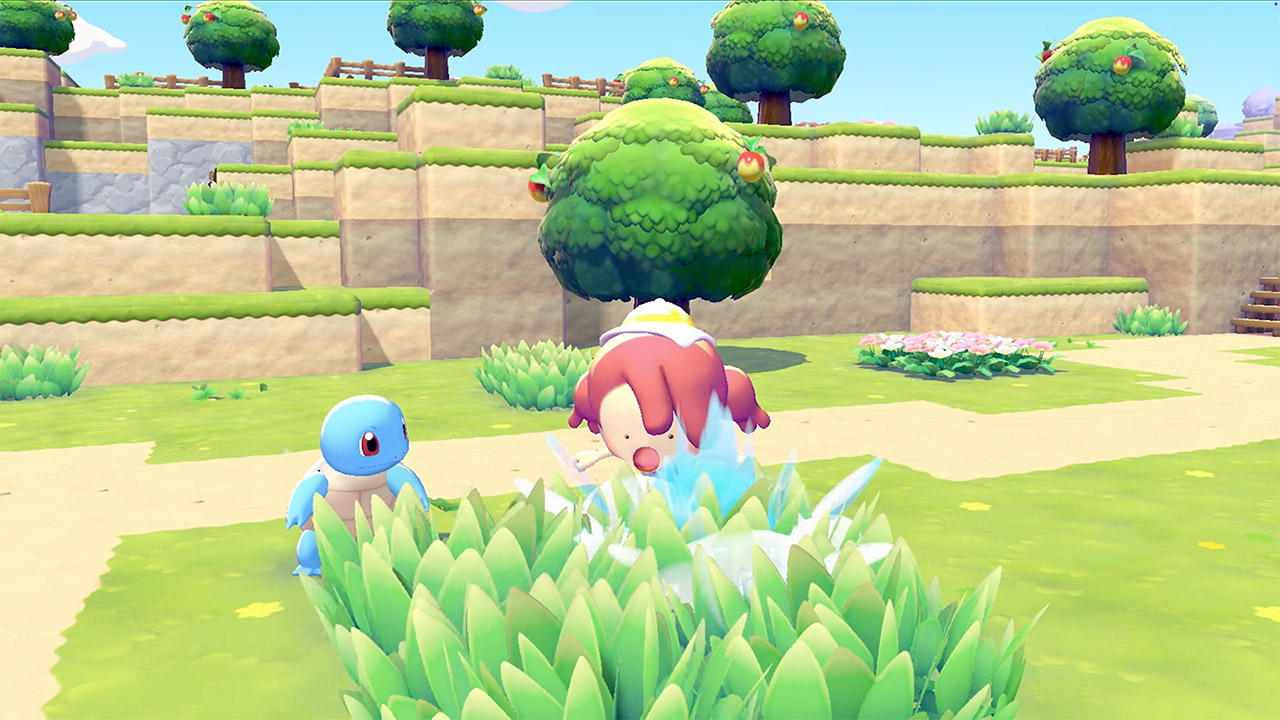
The whole Ditto-as-human thing isn't just a weird story choice – it's the core of how gameplay works. Ditto can transform into Pokemon and learn their moves, which becomes your main tool for everything. Need wood? Transform into a Pokemon with Cut. Want to clear some rocks? Copy a fighter's Rock Smash. Fire powers for cooking, water abilities for farming – pretty much every environmental challenge has a Pokemon-shaped solution.
- Moves learned from befriended Pokemon become your building tools
- PP (Power Points) acts as your stamina for abilities
- Transformation unlocks new crafting and construction options
Crafting: More Than Just Placing Blocks
Pokopia's crafting system draws obvious inspiration from Minecraft, but with Pokemon-flavored twists. You'll spend tons of time gathering materials – chopping trees for wood, smashing rocks for stone, collecting leaves and clay – and then bringing everything to a workbench to see what you can create.
Early game crafts are pretty basic: straw beds, log tables, simple campfires. But as you befriend more Pokemon and unlock new recipes, things get way more interesting. Pretty soon you're building furniture sets, decorative items, functional utilities, and even entire building kits that Pokemon can construct for you.
The real pro tip? Place a storage box right next to your workbench. The game pulls materials automatically from adjacent storage, which means you don't have to constantly run back and forth hauling supplies. It's a small quality-of-life feature that saves tons of time once your crafting operations get bigger.
Building Your Island Paradise
Building in Pokopia is surprisingly deep. You can go block-by-block like Minecraft, carefully placing every piece and designing whatever your imagination can come up with. But the game also offers building kits – pre-made structures that specialized Pokemon will construct for you if you supply the materials.
There are some actual rules for what counts as a valid building: structures need at least four walls and minimum height requirements. Once you've got those basics down, you can start thinking about turning basic shelters into proper Pokemon homes by adding furniture and meeting habitat requirements.
Your Pokemon friends aren't just hanging around looking cute. Each one has specialties – construction, farming, resource gathering – that make them genuinely useful partners in developing your island. A Pokemon with builder expertise can handle entire construction projects if you've got the materials, while others might excel at clearing land or growing crops.
Making Pokemon Feel at Home
Here's where Pokopia really differentiates itself from just 'Minecraft with Pokemon.' Every Pokemon on your island has comfort preferences based on their habitat. Some want lots of plants around. Others prefer open spaces or specific furniture. Meeting these preferences boosts their comfort level, which in turn raises your overall Environment Level – basically a satisfaction score for how well you're designing the place.
You can literally ask Pokemon how they're feeling about their living situation. They'll tell you what's missing or what could be better, giving you clear direction on improvements. It's a surprisingly thoughtful system that rewards paying attention to individual Pokemon needs rather than just building whatever you want.
Comfort isn't just flavor text, either. Higher comfort levels unlock new gameplay options and attract more Pokemon to join your community. It's this positive feedback loop – better habitats mean happier Pokemon, which means more help and new abilities, which means you can build even better habitats.
The Real-Time Clock Actually Matters
Pokopia syncs with your Nintendo Switch 2's system clock, so whatever time it is in real life, that's the time in-game. This isn't just for atmosphere – certain Pokemon only appear at specific times of day, and some construction projects finish based on actual time passing.
It's worth planning your play sessions around this. If you're hunting for a Pokemon that only appears at dawn, you might need to adjust when you play. Or you could just change your Switch's system clock if you don't want to wait – the game tracks time based on whatever the console says.
The day-night cycle also affects what you can do. Some crafting is easier in daylight, certain materials are more visible at night, and Pokemon behavior patterns shift based on time. It's not punishing, but it does add another layer to think about when planning your island development.
Progression: From Nothing to Paradise
What's genuinely satisfying about Pokopia's gameplay loop is how naturally progression flows. You start with literally nothing on a deserted island, barely able to craft basic tools. Each new Pokemon friendship unlocks new moves and abilities. Each new building project expands what's possible on your island.
Before long, you've got a functional home base, then a thriving village, then an elaborate paradise with themed areas, specialized habitats, and all kinds of Pokemon living their best lives. The game does a great job of making each step feel earned without ever making the grind feel like work.
The real-time nature of some progression – buildings that take time to finish, crops that grow over hours, Pokemon that appear based on time of day – gives the game that same 'just one more day' addictive quality that made Animal Crossing so gripping. But unlike Animal Crossing, you're always actively working toward visible goals and building something tangible.
Pokémon Pokopia's gameplay is this fascinating mashup of influences – Minecraft's creative building, Animal Crossing's chill life sim vibes, and Pokemon's creature collecting – but it somehow feels like its own thing. The Ditto protagonist isn't just a gimmick; it's the perfect vehicle for a game about transformation, creativity, and building community. Starting with nothing and ending with a thriving Pokemon paradise is genuinely satisfying, and the way Pokemon abilities double as construction tools is one of the smartest gameplay twists the franchise has attempted in years. This might just be the Pokemon spin-off nobody knew they needed.