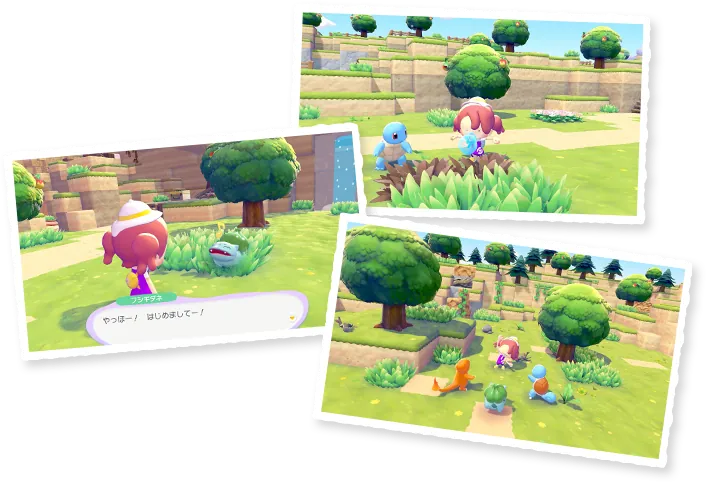
Back in 2002, a young Game Freak designer named Shigeru Ohmori was placing grass tiles on the 2D map for Pokémon Ruby and Sapphire. Every time he dropped some grass, he'd imagine a Pokémon appearing there. That feeling of creating habitats for creatures to live in never really left him. Fast forward 20+ years, and that simple idea has evolved into Pokémon Pokopia - but Ohmori couldn't make it happen alone.
The Dream That Needed Help
During the development of Pokémon Scarlet and Violet, Ohmori kept thinking about new possibilities for the franchise. He found himself drawn back to his early days creating those habitat maps, wondering what it would be like to let players experience that same nurturing feeling. But there was a problem - Game Freak had never made anything like this before.
The studio specializes in RPGs, not life simulation games. Ohmori had created a prototype, but turning it into a full game required expertise that Game Freak simply didn't have. That's when The Pokémon Company made a suggestion: why not bring in Koei Tecmo's Omega Force?
The studio specializes in RPGs, not life simulation games. Ohmori had created a prototype, but turning it into a full game required expertise that Game Freak simply didn't have. That's when The Pokémon Company made a suggestion: why not bring in Koei Tecmo's Omega Force?
Omega Force's Secret Weapon
You might know Omega Force from their Dynasty Warriors games, but they've been quietly building something of a specialty in the life simulation genre. They worked on Dragon Quest Builders 2, a game that lets players rebuild a destroyed world block by block. Sound familiar?
When Ohmori showed his prototype to Omega Force director Takuto Edagawa, something clicked. The prototype was so clear about what Game Freak wanted to achieve that Edagawa knew immediately his team could help make it happen. The two studios spent 3-4 months working closely together before official development even started, working out the kinks and refining the core ideas.
When Ohmori showed his prototype to Omega Force director Takuto Edagawa, something clicked. The prototype was so clear about what Game Freak wanted to achieve that Edagawa knew immediately his team could help make it happen. The two studios spent 3-4 months working closely together before official development even started, working out the kinks and refining the core ideas.
The Biggest Team in Omega Force History
Here's something that might surprise you - Pokopia has the largest development team in Omega Force's history. We're talking bigger than any Dynasty Warriors game, bigger than Fire Emblem Warriors, bigger than anything they've done before.
Edagawa wouldn't give exact numbers, but he made it clear that this project required more resources than anything else the studio has ever tackled. The team even brought in art director Marina Ayano, who had worked on Dragon Quest Builders 2, to help nail down the game's visual style. Her keywords for the project were "chill" and "pop" - slow and cozy, but with that universal cuteness that Pokémon is known for.
Edagawa wouldn't give exact numbers, but he made it clear that this project required more resources than anything else the studio has ever tackled. The team even brought in art director Marina Ayano, who had worked on Dragon Quest Builders 2, to help nail down the game's visual style. Her keywords for the project were "chill" and "pop" - slow and cozy, but with that universal cuteness that Pokémon is known for.
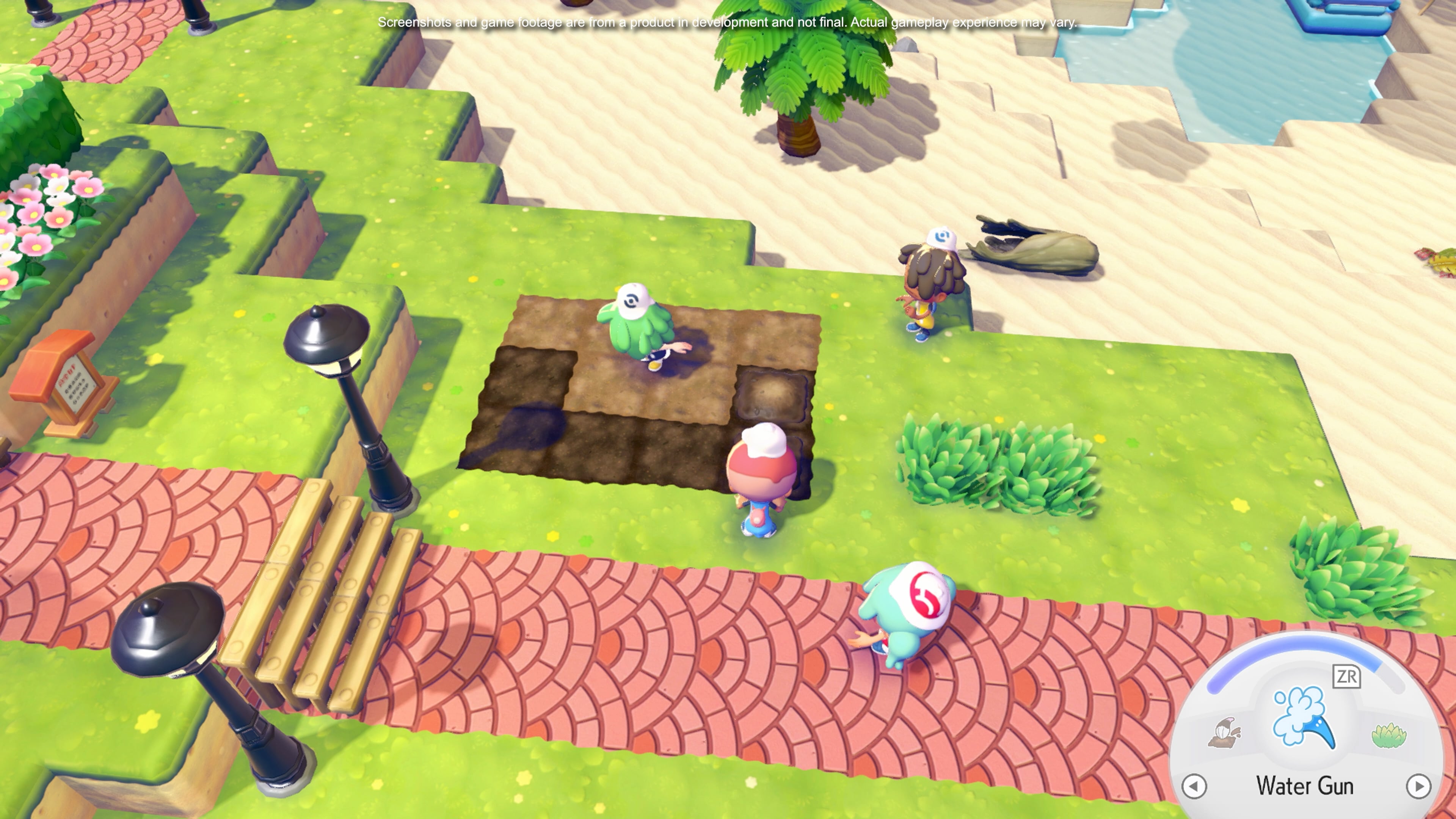
What Each Studio Brings to the Table
The collaboration works because each studio brings something unique to the project. Game Freak contributes deep knowledge of Pokémon - their behaviors, their personalities, what makes each creature special. They've been building this world for decades, after all.
Omega Force brings technical expertise in life simulation mechanics, building systems, and creating satisfying gameplay loops. They know how to make gathering resources feel rewarding, how to make building things feel satisfying, and how to structure a game that players can lose hundreds of hours in.
Together, they've created something neither could have made alone - a game that feels authentically Pokémon while offering gameplay depth the franchise has never seen before.
Omega Force brings technical expertise in life simulation mechanics, building systems, and creating satisfying gameplay loops. They know how to make gathering resources feel rewarding, how to make building things feel satisfying, and how to structure a game that players can lose hundreds of hours in.
Together, they've created something neither could have made alone - a game that feels authentically Pokémon while offering gameplay depth the franchise has never seen before.
A New Chapter for Pokémon Spin-offs
What makes this collaboration particularly interesting is how involved Game Freak is. Typically, Pokémon spin-offs are handled by other studios with minimal oversight from Game Freak. But Pokopia is different - it's a true co-development project, with Game Freak taking an active role in ensuring everything stays true to the Pokémon spirit.
Producer Kanako Murata noted that this level of involvement from The Pokémon Company, Game Freak, and Koei Tecmo working together is unusual for a spin-off. But everyone involved believed in the vision enough to make it happen. The result, according to early previews, is one of the most promising Pokémon games in years - main series or otherwise.
Producer Kanako Murata noted that this level of involvement from The Pokémon Company, Game Freak, and Koei Tecmo working together is unusual for a spin-off. But everyone involved believed in the vision enough to make it happen. The result, according to early previews, is one of the most promising Pokémon games in years - main series or otherwise.
Sometimes the best collaborations come from bringing together studios that seem totally different on paper. Game Freak's deep understanding of Pokémon combined with Omega Force's life simulation expertise has created something special in Pokopia. If this game is successful, it could pave the way for more partnerships like this - and honestly? The Pokémon franchise could use more experimental collaborations like this one.